
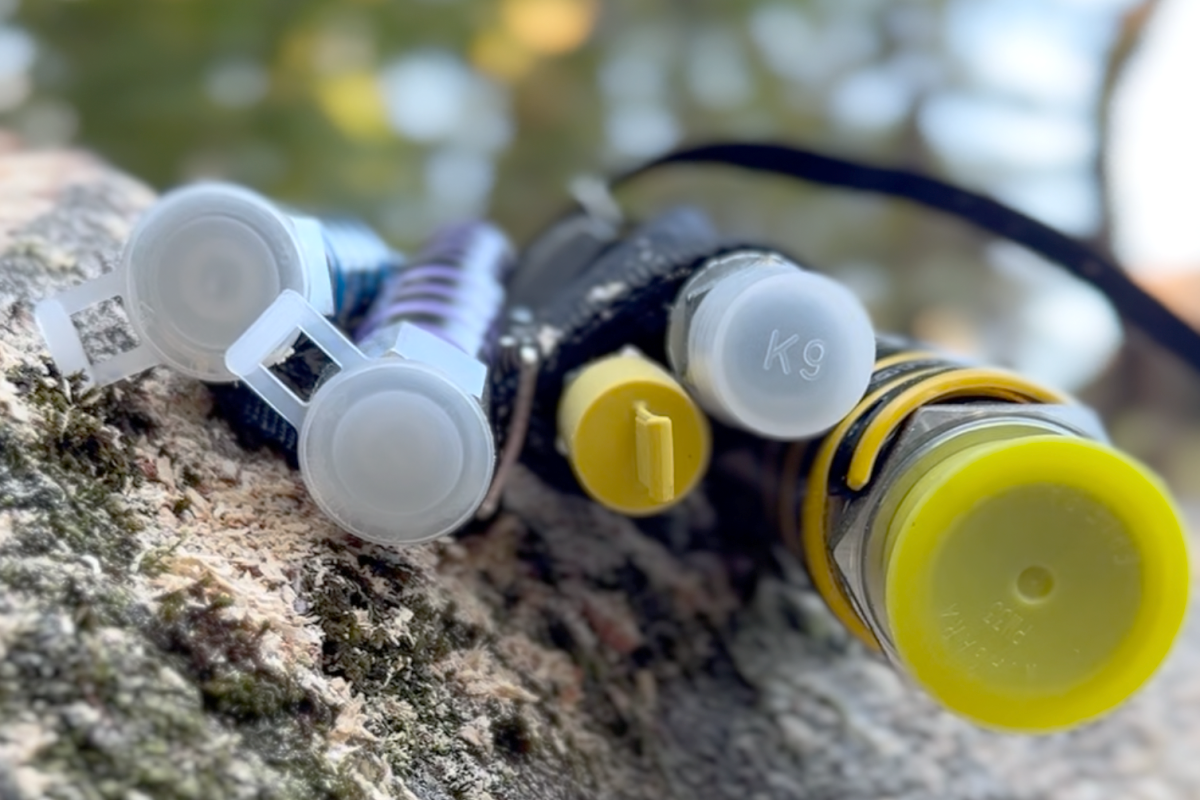
A protective cap is rarely noticed when it performs correctly. However, when contamination reaches a hydraulic component or a thread is damaged during transport, the consequences can include assembly delays, quality issues, product failures, and increased costs.
Protective caps and plugs play a critical role in protecting hydraulic fittings, ports, threads, and sealing surfaces throughout manufacturing, storage, transportation, and installation.
What Is the Purpose of
Protective Caps and Plugs?
Protective caps and plugs are designed to:
- Prevent dirt, dust, moisture, and other contaminants from entering hydraulic components
- Protect threads, sealing surfaces, ports, and connection points from damage
- Reduce the risk of contamination-related failures during assembly and operation
- Help maintain component quality throughout the supply chain
- Minimize cleaning, inspection, and rework before installation
Why Is Selecting the Right Protective Cap Important?
Not all protective caps and plugs provide the same level of protection. A solution that works well for one hydraulic fitting may not be suitable for another.
Factors that influence cap performance include:
- Retention force and fit
- Material selection
- Temperature resistance
- Chemical compatibility with oils and lubricants
- Connection geometry
- Assembly and removal requirements
- Transportation and storage conditions
Selecting the wrong protective cap can compromise contamination control and increase operational costs.
Common Problems Caused by Inadequate Protective Caps
Engineers and manufacturers frequently encounter:
- Caps that become loose during shipping or handling
- Dirt or moisture entering the protected area despite a cap being installed
- Damaged threads or sealing surfaces
- Difficult cap removal during assembly
- Plastic residue or particles remaining on the component
- Insufficient protection in demanding environments
These issues can lead to production delays, additional inspections, cleaning processes, and costly rework.
How to Choose the Best Protective Cap for Hydraulic Applications
When evaluating a protective cap or plug, consider the following questions:
- Will the cap remain securely in place throughout the entire supply chain?
- Is the material compatible with hydraulic oils, lubricants, chemicals, and operating temperatures?
- Does it adequately protect critical threads, ports, and sealing surfaces?
- Can it be removed quickly and cleanly during installation?
- Does the design support the environmental and handling conditions the component will experience?
The Value of Application-Specific Protection
Protective caps should not be treated as a standard commodity purchase. The most effective solution depends on the specific hydraulic component, operating environment, logistics process, and performance requirements.
A properly selected protective cap helps reduce contamination risks, protect critical surfaces, improve assembly efficiency, and support overall product quality.
Because a protective cap is more than packaging.
It is the first line of protection for a hydraulic component until the moment it is installed.
Not sure which solution is best for your application? Contact our product experts to identify the right protective cap or plug based on your component design, operating conditions, and protection requirements.