
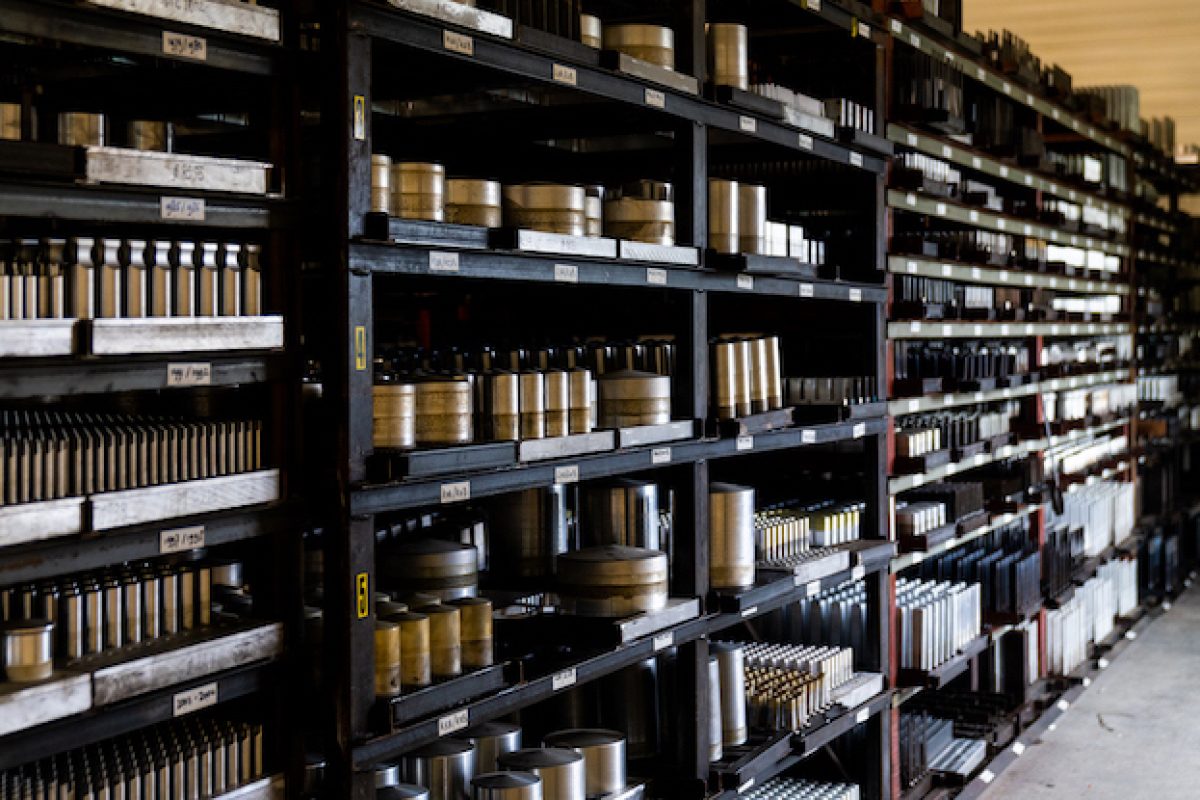
Caplugs uses aluminium moulds to produce standard and custom-made products for dip moulding and injection moulding. This article explains what a mould is and why it is an essential part of the production process for our protective solutions.
A mould is a form that carries a negative or reverse impression of the product to be made. Aluminium is used to get the most detailed shape (geometry) and the exact dimensions for the plastic part to be produced.
Moulds for injection moulding
An injection mould consists of two parts, the injection side and the ejection side. This hollow container is shaped exactly according to the product specifications. The parts are made so that the moulded product can be easily and quickly removed from the mould. In injection moulding, the liquid product material is injected under pressure into the cavity of the injection mould. After the trapped air escapes, the liquid plastic solidifies in the cold cavity and takes the shape of the desired product. After solidifying and removal from the matrix, the product is ready for finishing.
Moulds for dip moulding
Caplugs use a CNC machine to make the aluminium moulds for dip moulding. In dip moulding, unlike injection moulding, the moulds are immersed in liquid vinyl, causing the material to form a layer on the mould. The mould is then heated again briefly to cure the plastisol. After curing, the formed product is blown off the mould with compressed air and is ready for possible finishing.
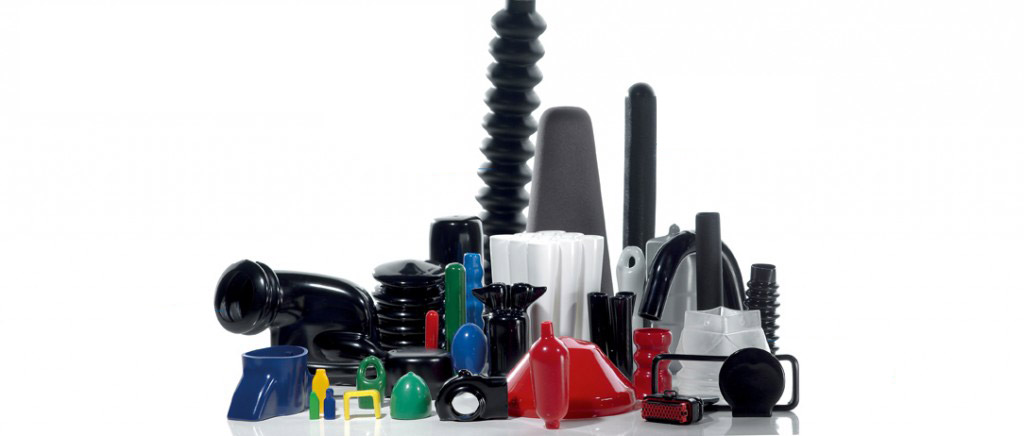
Vinyl caps, sleeves, and covers
Dip moulding is often used to produce larger series of vinyl caps as the customised moulds can be used repeatedly. For a high-volume series, the dipping speed and oven temperature settings can also be standardised. In the production of non-standard protective products, special moulds need to be designed and made. In this case, all settings for the dip moulding process have to be carefully redefined. Caplugs provides a full-service custom moulding process from prototype to finished product, including advising customers on finding the most cost-efficient solution for their product application.
Dip moulding has many advantages
Besides a favourable price-quality ratio, dip moulding has a number of other advantages. For instance, vinyl dip moulding and vinyl dip coating produce seamless and even products. In addition, the customer can determine the level of finishing in terms of colour, textures and thicknesses. Matt, glossy, and in whatever form, dip moulding offers almost unlimited possibilities. For more information, view the Caplugs product catalogue or contact us.